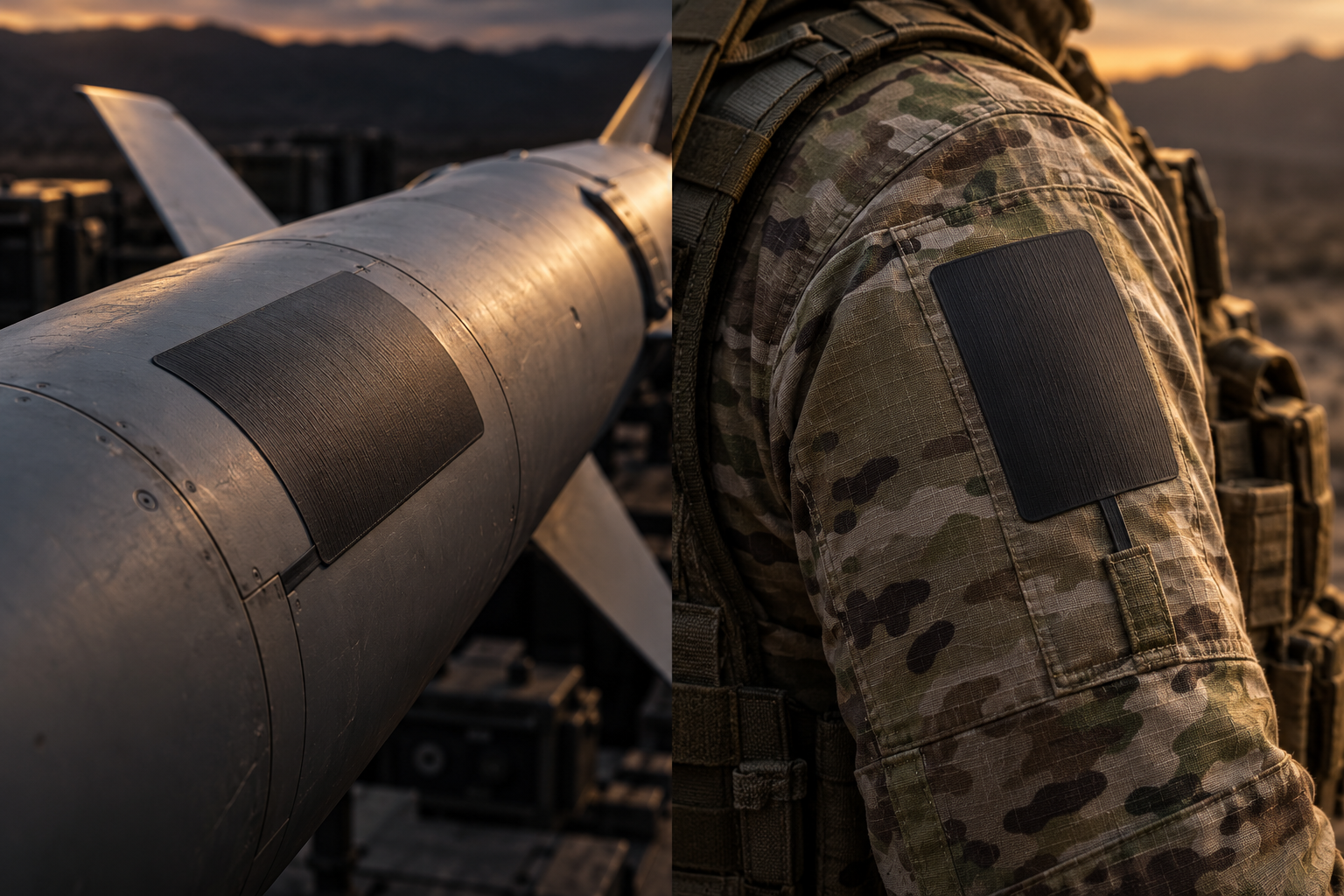
 Conformal antennas
Antennas that lay flat on the surface
Any band from HF to mm-wave. On vehicles, drones, uniforms or glass. Plug into the radio you already carry.

We build next-gen antennas, shielding, sensors and thermal management systems from carbon nano tubes. Bringing real world advantages and totally new possibilities to the warfighter.
Hyper-aligned carbon nano tube sheets out preform metal components.
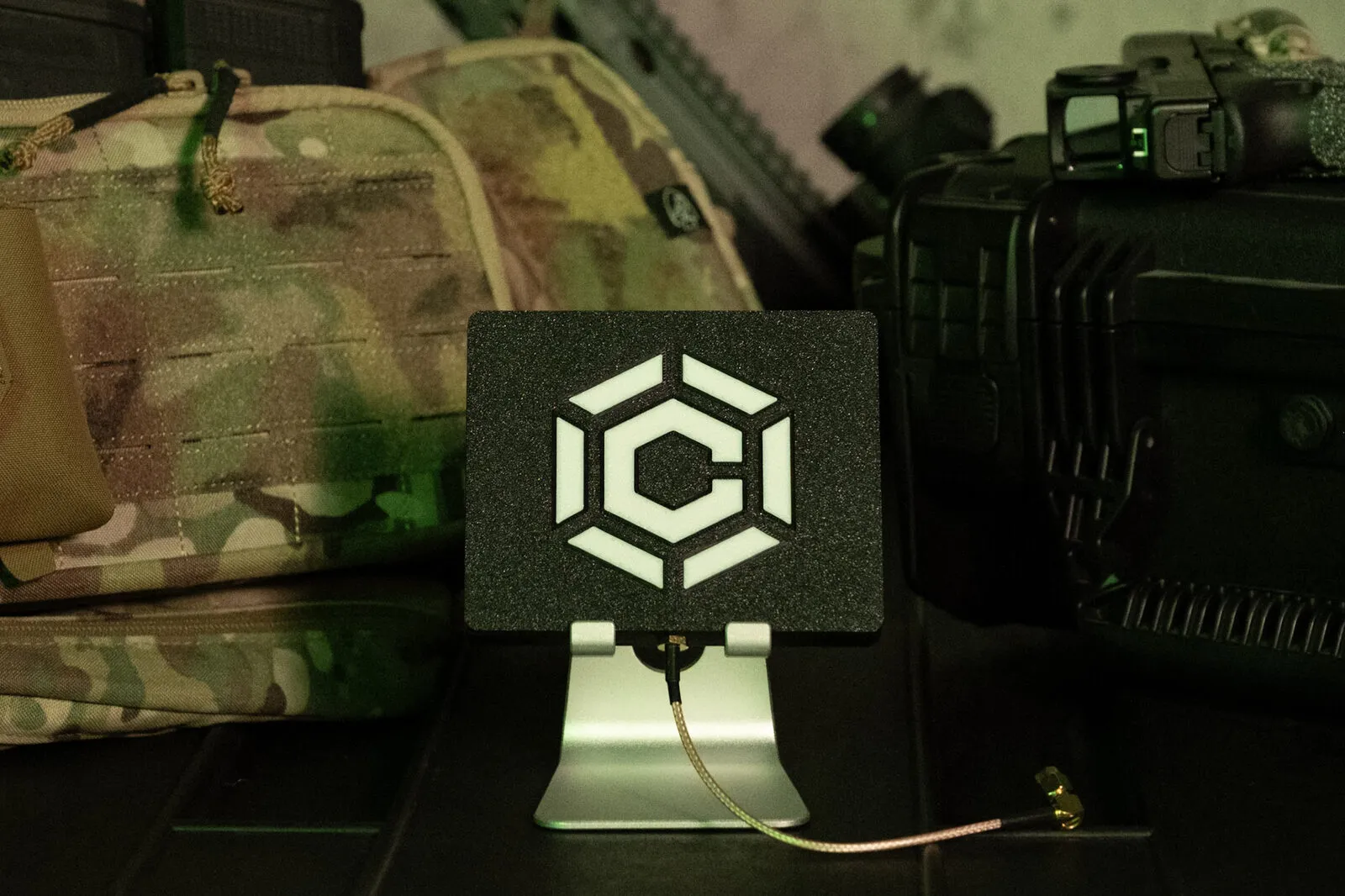 Conformal antennas
Any band from HF to mm-wave. On vehicles, drones, uniforms or glass. Plug into the radio you already carry.
 EMI shielding
Wraps, pouches, tents and liners that block signals as well as copper, at a fraction of the weight.
 Thermal mitigation
Thin layers that pull heat away from packed electronics so they keep running.
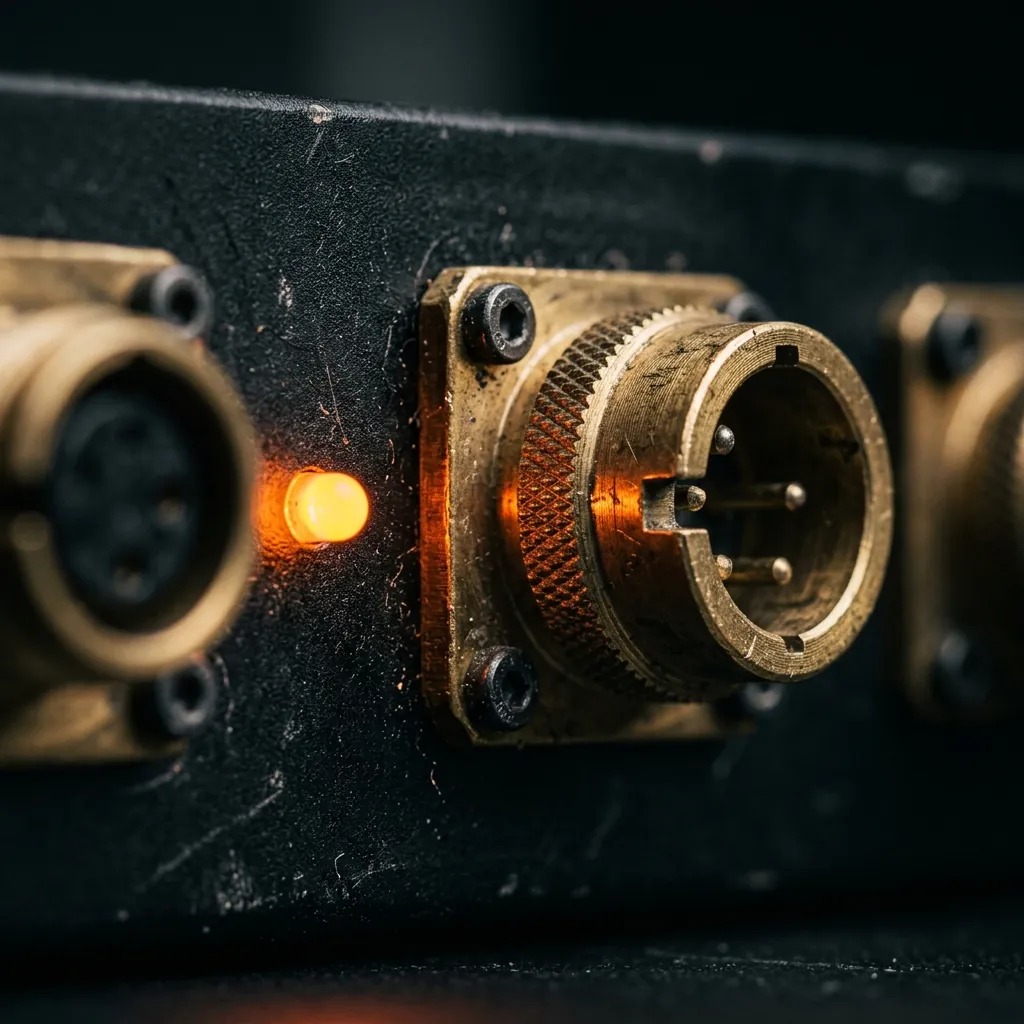
Antenna, housing, electronics and software. One team from your requirement to the field.
Chamber and field results against the incumbent metal hardware, on the platforms operators actually carry, fly and drive.
Drop-in replacement for the stock antenna on a quadruped UGV, same connector. Latency 20 to 25% lower, outdoor packet loss 50% lower, signal strength up to 41% higher in a parking structure, at under half the weight and a fraction of the cost.
Customer tested10 grams and 0.127 mm against an 80 gram, 50 mm blade. No mounting holes, no drag penalty. Estimated 4 to 16% more range on 0.5 to 1.9 kg airframes from weight alone.
DemonstratedEquivalent performance to a ruggedized active GPS antenna with zero visual signature and no bodywork on the host vehicle. Chamber tested, range tested, fielded in a combatant command area of responsibility.
FieldedOne-for-one swap for an aluminum inlay in a commercial wristband. Stable reads across body types and orientations in under 1.5 mm total, replacing a 6.35 mm foam spacer stack.
Customer tested0.75 to 1.5 pounds against 5 pounds of wire antenna. Visible at under 10 meters instead of 90 to 150. Survives more than 2 billion flex cycles and does not corrode.
In developmentA conformal meandering dipole laminated into fabric with a carbon reflector layer behind it. The reflector keeps the body out of the pattern and RF out of the body, so the element keeps working where a whip and an unshielded dipole both go dead.
DemonstratedEvery element starts with a real problem, a real platform and the person who operates it.
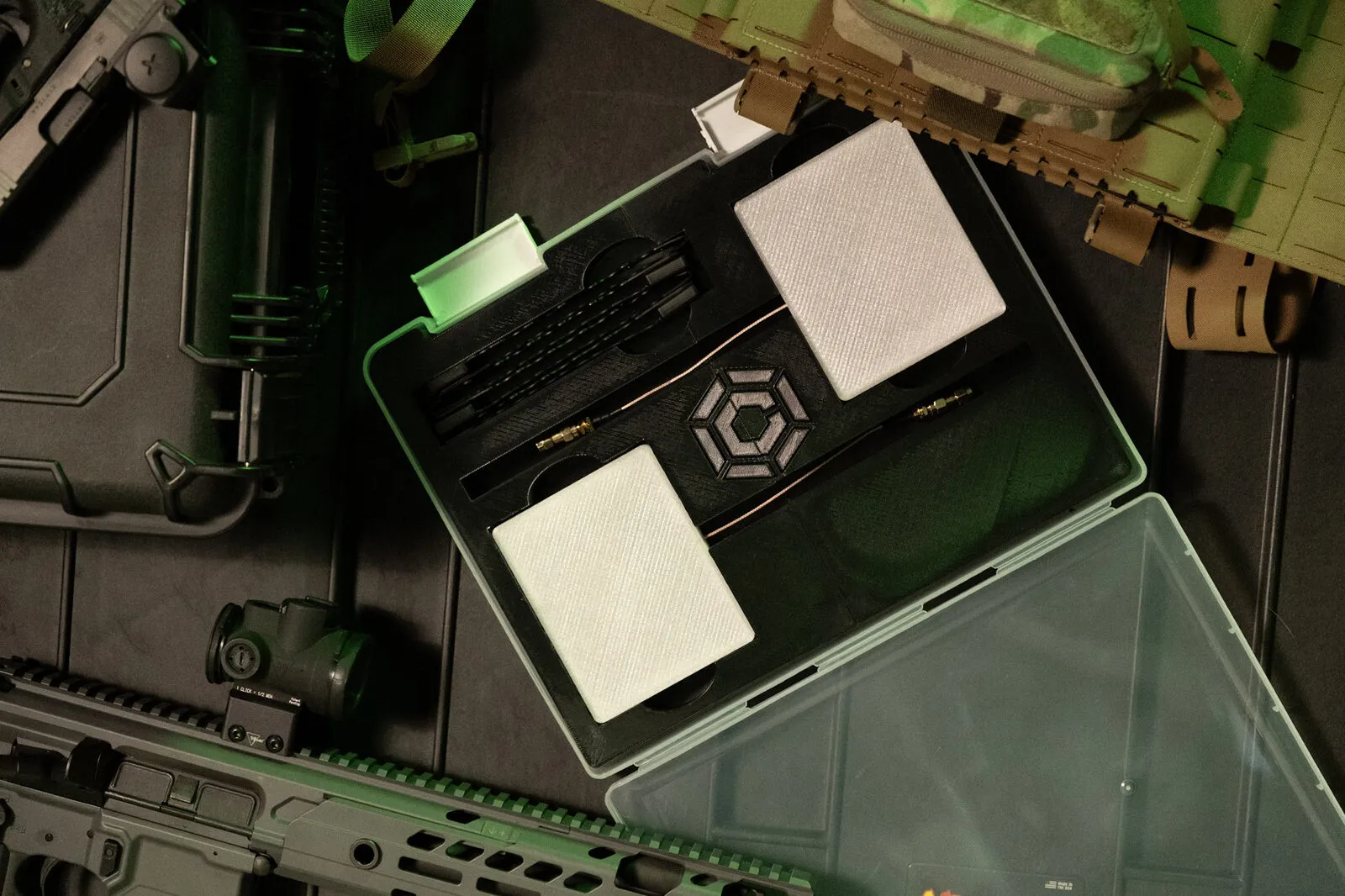
Tell us the radio, the platform and the band. We pattern, laminate, connectorize and ship an evaluation kit, then iterate on your feedback from the field until it's right.
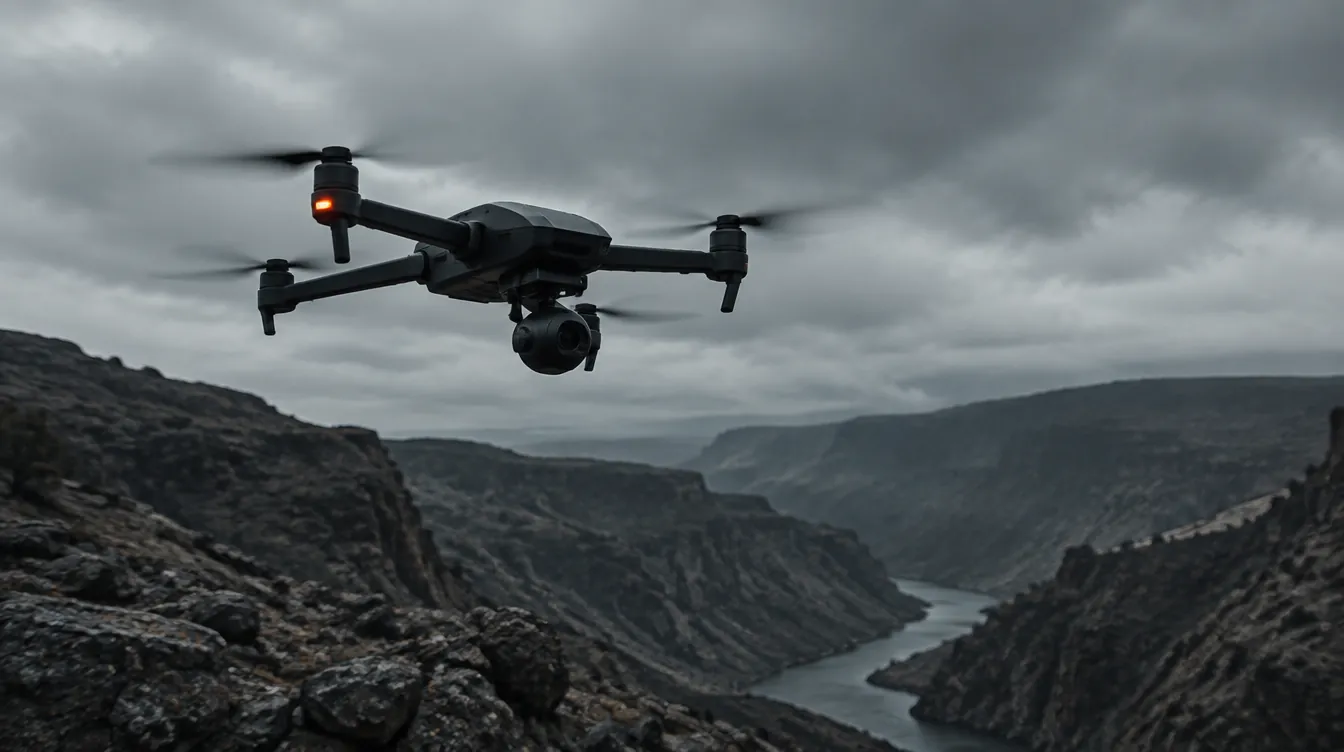
Conformal ADS-B, GPS and datalink elements for small airframes and ground robots. Less weight, less drag, more range, lower radar profile.
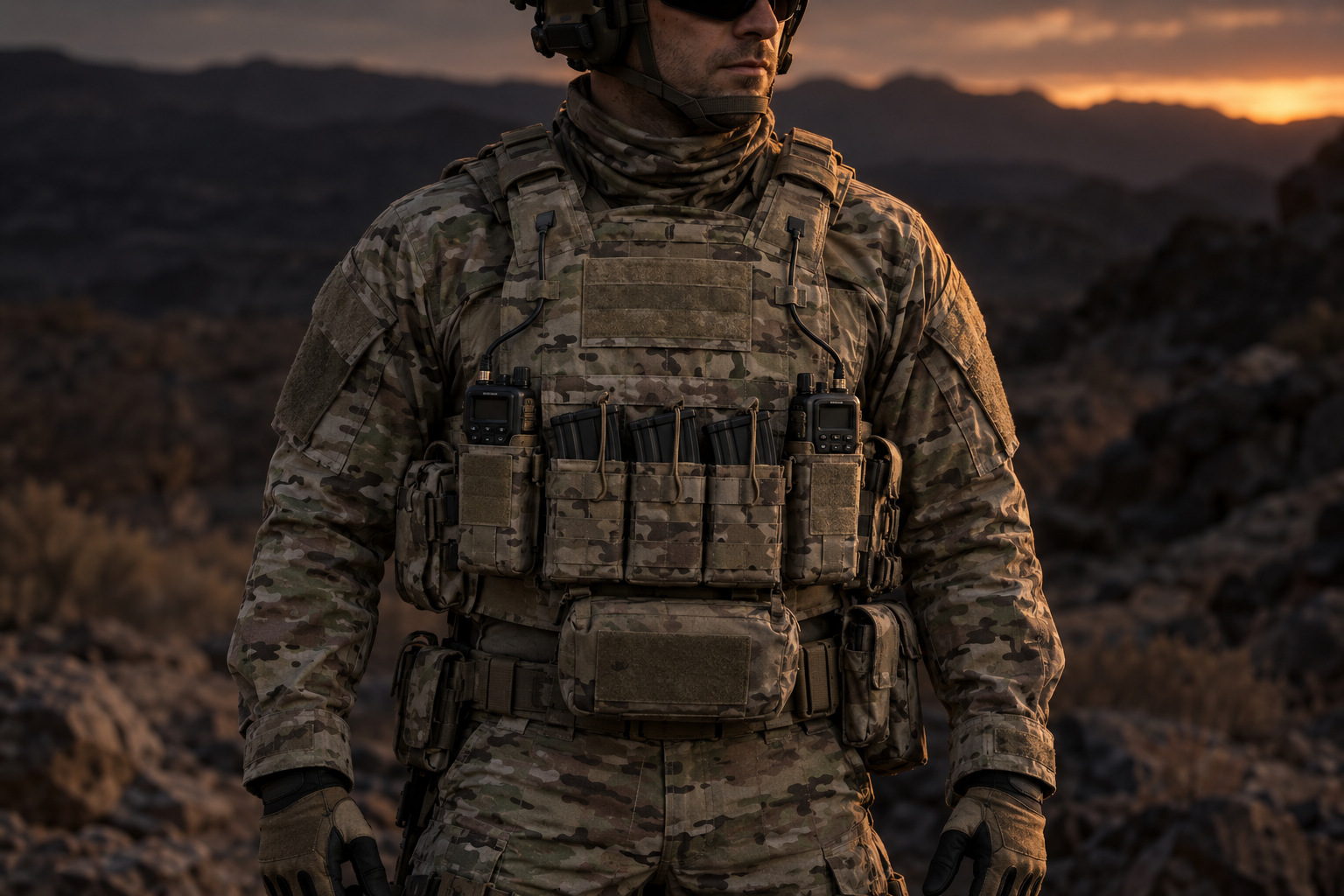
Antennas laminated into nylon or aramid, with a reflector layer that protects the wearer and preserves the pattern. No spools of wire, no whip.

Low-visibility GPS, transparent elements on glass, comms and tracking elements that don't draw attention.
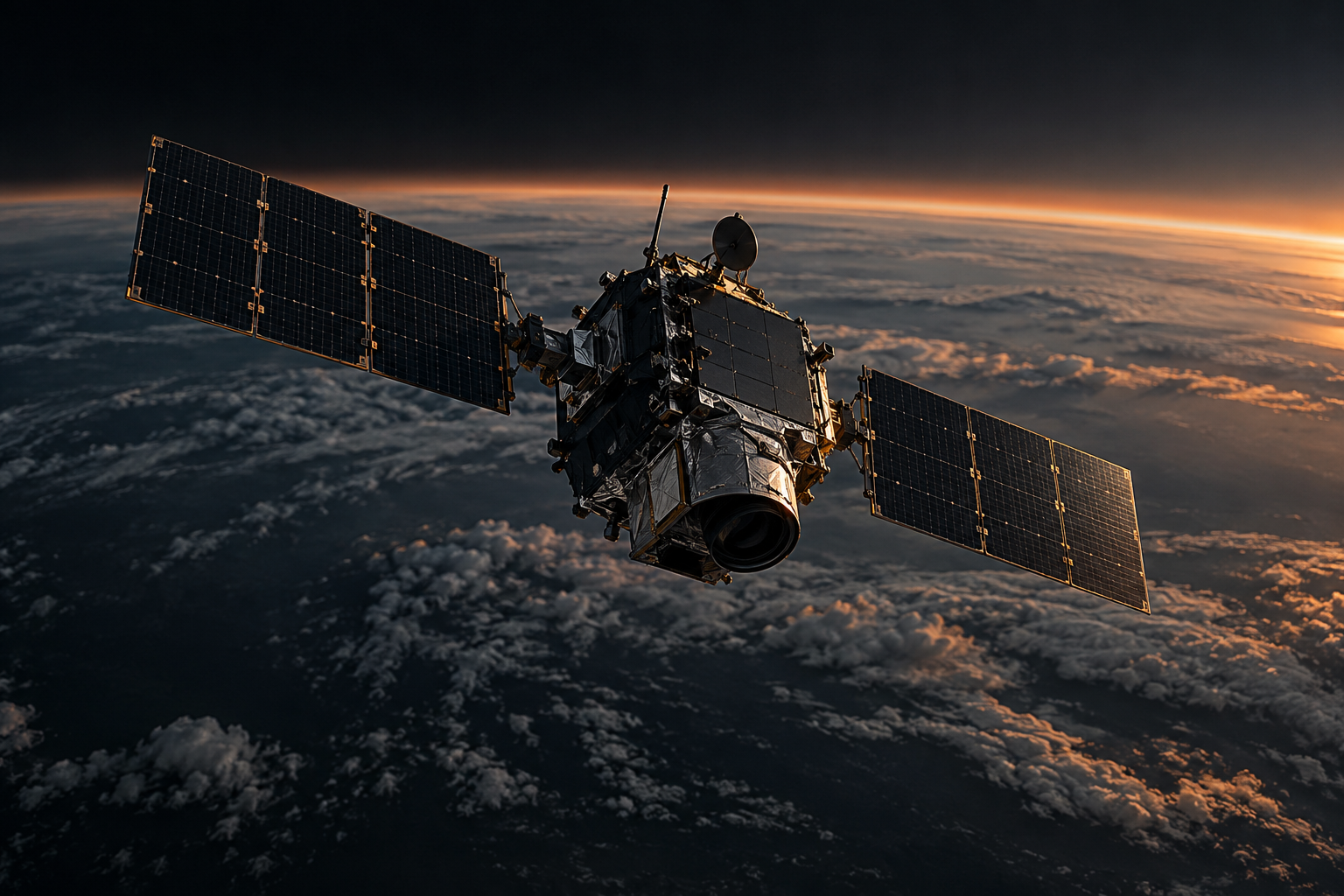
Shielded pouches, rooms, or facilities, and antennas whose geometry holds through orbital thermal cycling.
We handle the build. You choose the scope: the element, the enclosure it lives in, the electronics it feeds and the software that runs it.
Radio, band, platform, environment, signature, threat, weight, budget, etc.
Pattern, feed and matching. Enclosure, mount and laminate. Electronics and software.
Laser-cut direct from the design file. No tooling, so a redesign costs hours.
Laminate, connectorize, house, populate and program.
Chamber, bench and range against the incumbent hardware.
Operator feedback drives the next iteration, in days.
Dipoles, patches, meanders, arrays and reflectarrays from HF through mm-wave. Impedance matching, feeds, reflector and shielding layers, chamber and network-analyzer validation.
Enclosures, mounts, laminates and fabric integration designed to fit existing kit, rails and platforms. Sealed and ruggedized where the mission demands it.
Radio and sensor integration, control electronics, firmware and the application software that turns an element into a capability on the operator's screen.
For the engineers: what the film is, what it measures, and why it beats the metal it replaces.
The skin effect cuts copper's useful conductivity roughly ten-fold by 5 GHz. It corrodes, it fatigues, and more than half of the world's refining capacity sits with an adversary. Our film is 100% carbon, sourced and made domestically.
A field whip is visible at 90 to 150 meters. A conformal carbon element sits a tenth of a millimeter above the surface, adds no drag, needs no mounting holes, and disappears under paint.
A new antenna geometry is a laser file, not a tool. We design, build and test with the operator in the loop and converge on a field-ready element in days, not program cycles.
Measured on production film. Composition and thickness are tuned per application; transparent variants exceed 90% transmittance.
The people designing your system have carried the kit, built the company and run the line.
Veterans of special operations and the intelligence community who know what signature, weight and a dead link cost downrange. They write the requirement and sit in every design review.
Founders who have built, scaled and exited technology companies before. They know how to take a material from a lab result to a production line, a quality system and a contract vehicle.
RF, materials, mechanical, embedded and software engineers, backed by more than a decade of peer-reviewed research on carbon nanotube antennas and a running production line.
Bring us the radio, the platform, the band or the problem. We'll come back with a path to an evaluation kit, a system design or a partnership conversation.